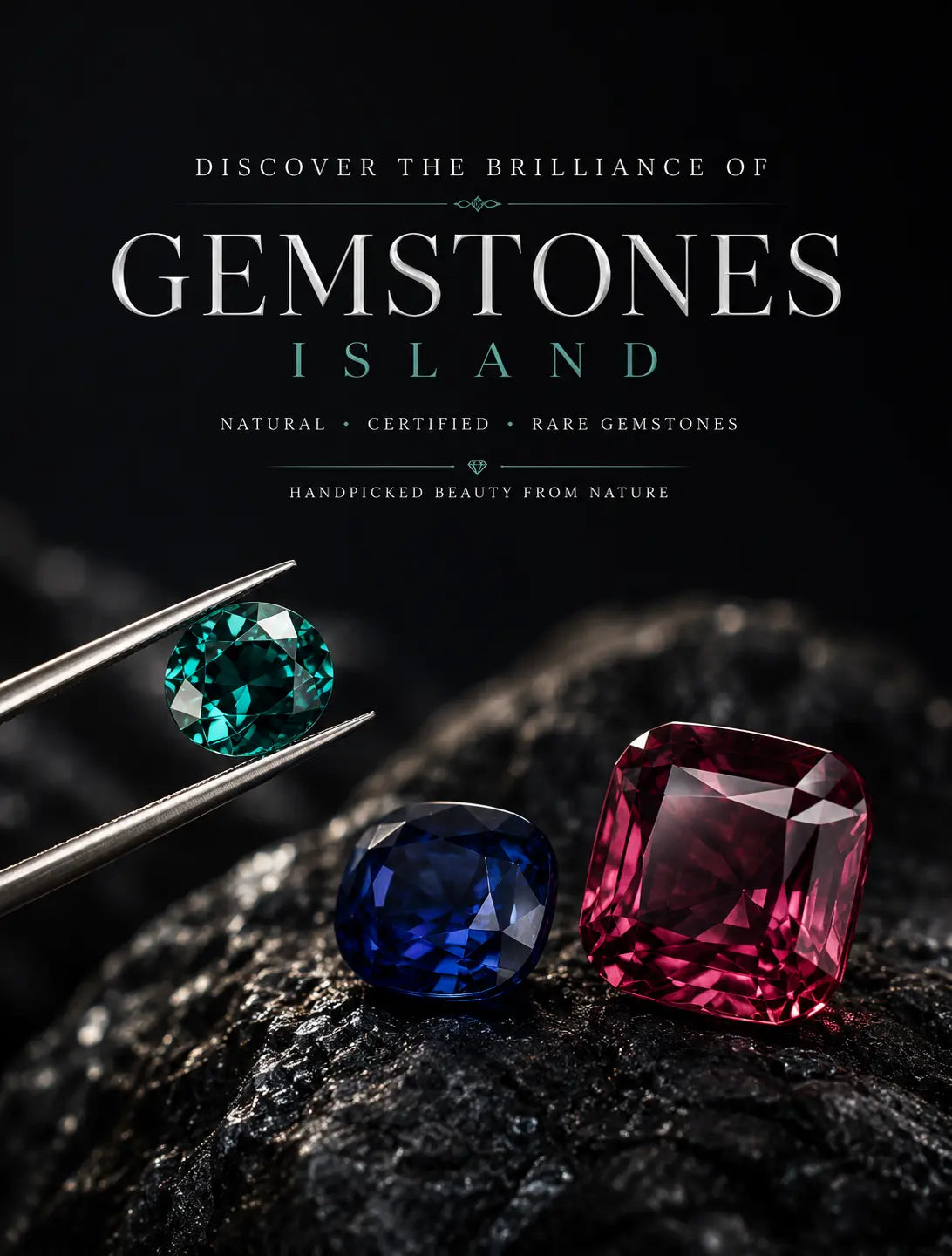
Tourmaline Colors: A Complete Guide to the Different Colors of Tourmaline

Tourmaline Colors: A Complete Guide to the Different Colors of Tourmaline
Tourmaline is one of the most interesting minerals on Earth owing to its impressive color palette. Tourmaline colors include vivid green, passionate pink, deep blue, golden yellow, rich brown and various combinations of all these colors. In contrast to many other gems, which can only exist in one or two colors, tourmaline is available in all colors of the rainbow. What is more, tourmaline gems can contain two or more colors in their unique color palette.
Getting familiar with the diversity of types of tourmaline and their colors is an excellent way to begin picking up the gems you want to incorporate into your collection or design of some custom jewelry piece, engagement ring and so forth.
Why Does Tourmaline Come in So Many Colors?
It is no secret that the extraordinary variety of colors seen in tourmaline is associated with its complicated chemical composition. The presence of certain elements in the crystalline structure of tourmaline can affect how this stone interacts with light, thus creating various colors and their combinations.
Iron, manganese, copper, and many other elements can be the reason why tourmalines of different types are colored in various colors. Thus, tourmalines are available in colors varying from pastel tones to very bright ones.
Main Tourmaline Colors and Varieties

1. Green Tourmaline
Verdelite is another name for green tourmaline, which is one of the most popular types of tourmaline. The color of green tourmaline varies from light green to dark forest green, depending on the make-up of the mineral. The properties of green tourmaline are:
-
Color ranging from light green to dark green
-
Natural variation in color tones and saturation
-
Brilliance when properly cut
-
Common choice for ring, pendant, and earring stones
-
Good for collectors as well as jewelry designs
Green tourmaline is especially beautiful when you are looking for an organic-looking gemstone.
2. Pink Tourmaline
The color of the pink tourmaline varies from pastel pink to reddish-pink tones. The romantic nature of this color makes pink tourmaline very desirable in jewelry. Different gems can differ significantly in terms of how pink they appear. There are gems that have a faint blush tone and others that have a deep pink tone. Pink tourmaline is suitable for use in:
-
Engagement and statement rings
-
Earrings and pendants
-
Romantic jewelry pieces
-
Collections of gemstones
-
Custom jewelry
The varied pink hues make it among the most distinctive tourmaline colors.
3. Blue Tourmaline
Indicolite, a name given to blue tourmaline, is one of the popular tourmaline gemstones available. It comes in light blue to dark blue hues. Blue tourmaline is valued because of its unique color and rarity when compared to other common types of tourmalines. While selecting a blue tourmaline gemstone, take note of the following:
-
Color intensity
-
Tone and brightness
-
Clarity
-
Cut quality
-
Appearance
An expertly cut blue tourmaline can serve as an impressive center stone for custom jewelry.
4. Paraiba Tourmaline
Paraiba tourmaline is well-known for its striking neon blue, blue-green, and green-blue hues. This unique gemstone is linked to the element copper in its makeup. The brilliance and unique hue of Paraiba tourmaline are the reasons why it has become one of the most recognizable tourmalines.
Paraiba-like tourmaline can be found at locations such as Brazil and others where copper tourmaline is found. As a result of its distinctiveness and rarity, excellent pieces can fetch high costs in the market. When purchasing Paraiba tourmaline, several factors might come into play.
5. Black Tourmaline
Black tourmaline or schorl is the most common type of tourmaline found. It is often opaque or almost opaque, and its color varies from dark gray to black. Compared with transparent colored tourmaline, black tourmaline looks entirely differently. It is widely applied in jewel making and collecting minerals. The dark color of this stone makes it good for use in:
-
Jewelry beads
-
Rings and pendants
-
Collection of minerals
-
Display specimens
-
Jewel making
6. Yellow Tourmaline
Yellow Tourmaline is a rarer find compared to other varieties of tourmalines, such as green and pink, making it a unique selection for any collector or gem enthusiast. The yellow tourmaline gemstone can be found in light yellow to rich golden hues. The bright yellow tourmaline can have a very warm look that suits statement jewelry pieces.
When choosing yellow tourmaline gemstones, one must pay attention to their color, brilliance, clarity, and cut.
7. Brown Tourmaline
As an example of dravite, Brown Tourmaline has the coloration of Earth. It has light browns, golden browns, to dark brown colors. Though it gets overlooked in comparison to pink, blue, or green Tourmaline, Brown Tourmaline has much to offer those looking for a more subdued coloring on their gemstones. It also provides a good contrast against metals with a gold coloring scheme.
8. Colorless Tourmaline
Achroite refers to colorless tourmaline. In contrast to the bright colors that are associated with tourmaline, achroite does not have much color inside the stone. Achroite is rare, and it may be especially intriguing for mineral collectors because it shows the other face of tourmaline.
It can be appealing to collectors who are looking for something special and unusual among gems.
Bicolor and Multicolor Tourmaline
What makes tourmaline one of the most amazing minerals is the fact that one stone can contain several colors. Bicolor tourmalines or multicolor stones may either have gradual changes in colors or distinct boundaries between them. The combinations may vary from green and pink to blue and green or anything else.
Watermelon Tourmaline
One of the most famous multicolored stones is watermelon tourmaline. This tourmaline usually shows the colors of pink or red in the middle surrounded by green, thus forming the combination of colors similar to the watermelon itself. The natural watermelon tourmaline is quite famous among collectors and custom jewelry makers since the color distribution is unique in each crystal. There are also other bicolor and multicolor combinations such as:
-
pink and green
-
blue and green
-
green and yellow
-
pink and orange
-
several colors within one crystal
It is impossible to replicate this natural feature of the stones.
Which Tourmaline Colors Are Most Valuable?
However, there is not a specific color of tourmaline that will determine the value of all gemstones. The factors that affect the attractiveness and value of a tourmaline may include color, hue, tone, clarity, size, cut, place of origin, treatments applied, and the overall quality of the stone.
Certain vibrant and rare tourmalines, especially those containing copper and producing beautiful hues of blue and green, may be very valuable. But it is the combination of features of the stone itself that determines its value. In comparing tourmaline gemstones, one should consider:
-
Color quality and intensity
-
Brightness and tone
-
Clarity
-
Cutting and proportions
-
Weight
-
Color zoning
-
Treatments, if any
-
Place of origin or locality, where known
How to Choose the Right Tourmaline Color
Choosing a tourmaline color is ultimately a combination of personal preference and gemstone quality. Since tourmaline occurs in so many shades, there is no need to limit yourself to one traditional color. Before buying, consider:
-
Choose a color you genuinely like: Personal preference is important, especially for jewelry you plan to wear regularly.
-
Look at saturation: Strong, attractive color can make a gemstone more visually appealing.
-
Check the tone: Extremely dark stones may show less brilliance, while very light stones may have a softer appearance.
-
Consider the cut: A good cut can improve the way light interacts with the gemstone.
-
Think about the jewelry design: The gemstone should complement the metal, setting, and overall style.
-
Review treatment information: Understanding whether a gemstone has been treated helps you make an informed purchase.
Tourmaline Colors and Their Meanings
Tourmaline is also associated with different symbolic meanings in popular gemstone traditions. These meanings are cultural or symbolic rather than scientific properties of the gemstones. Common associations include:
-
Green tourmaline: GGrowth, balance, and renewal
-
Pink tourmaline: Love, compassion, and emotional connection
-
Blue tourmaline: Calmness, clarity, and communication
-
Black tourmaline: Protection and grounding
-
Multicolor tourmaline: Harmony, balance, and individuality
These symbolic associations can make choosing a particular tourmaline color more personal, especially when selecting a gemstone for a meaningful piece of jewelry.
Tourmaline for Jewelry
The wide range of tourmaline colors makes this gemstone extremely versatile for jewelry. Depending on the color and cut, tourmaline can work beautifully as a center stone or as an accent gemstone. Tourmaline is available in many shapes and sizes, including popular cuts such as:
-
Oval
-
Cushion
-
Emerald cut
-
Pear
-
Round
-
Octagon
-
Asscher-style cuts
-
Custom shapes
Green, pink, blue, and multicolor tourmalines are especially attractive for custom rings, earrings, pendants, and statement jewelry. When selecting tourmaline for a ring, consider the gemstone's durability, setting, cut, and intended use to ensure the design is appropriate for everyday wear.
Natural Tourmaline vs. Treated Tourmaline
When buying tourmaline, it is useful to understand whether the gemstone is natural and whether it has undergone any treatment. Natural tourmaline refers to tourmaline formed through natural geological processes. Some gemstones may also undergo treatments to improve their appearance, while others may be untreated.
Treatment information can be particularly important when comparing gemstones with similar colors and appearances. Buyers should review the product description and available documentation to understand what they are purchasing.
How to Buy Tourmaline Online
Buying tourmaline gemstones online can give you access to a much wider selection of colors, cuts, sizes, and origins. However, product information should be carefully reviewed before making a purchase. Look for:
-
Clear gemstone photographs
-
Accurate carat weight
-
Exact dimensions
-
Gemstone shape and cut
-
Color description
-
Treatment information
-
Origin information when available
-
Clear return and shipping policies
-
Laboratory documentation for stones that require certification
For unusual or valuable tourmalines, additional documentation can provide useful information about the gemstone's identity and characteristics.
Explore Natural Tourmaline at Gemstones Island
Gemstones Island will allow you to browse through a choice of natural tourmaline gemstones of various colors, shapes, cuts, and sizes. Be it pink tourmaline, green tourmaline, blue tourmaline, bi-color tourmaline, multi-color tourmaline, or some rare variety of tourmaline, every gemstone will feature a unique blend of color and personality.
If you are on the lookout for tourmaline for jewelry or gemstone collection, browsing different colors of tourmaline will help you select a gemstone that suits your taste. Explore Loose Tourmaline
Frequently Asked Questions About Tourmaline Colors
How many colors of tourmaline are there?
Tourmaline occurs in a remarkably broad range of colors, including green, pink, blue, yellow, brown, black, colorless, and various bicolor and multicolor combinations.
What is the most popular tourmaline color?
Green and pink tourmaline are among the widely recognized colors, while blue, Paraiba-type, and multicolor tourmalines are also highly sought after for their distinctive appearance.
What is Paraiba tourmaline?
Paraiba tourmaline is a copper-bearing tourmaline known for vivid blue, blue-green, or green colors. Its intense coloration makes it one of the most recognizable tourmaline varieties.
What is watermelon tourmaline?
Watermelon tourmaline is a multicolor variety that commonly displays pink or red in the center with green around the outer portion of the crystal.
Does tourmaline color affect its value?
Yes. Color can have a major influence on tourmaline's desirability and value, but other factors such as clarity, cut, size, treatment, origin, and overall quality also matter.
Is green tourmaline natural?
Green tourmaline can occur naturally in a wide range of shades. When purchasing a gemstone, review its product details and any available documentation to understand its characteristics and treatment status.
Is blue tourmaline rare?
Blue tourmaline, commonly called indicolite, is less commonly encountered than some other tourmaline colors and can be highly desirable, particularly when it has attractive color and clarity.
Is tourmaline good for jewelry?
Tourmaline is widely used in jewelry and is available in many colors and cuts. The appropriate design and setting should be considered based on the intended type of jewelry and how frequently it will be worn.